01
Start with your concept
The best trailer plan starts with how the business will operate, not with a generic equipment list.
Our Process
A custom food trailer has to support your menu, workflow, equipment, utilities, storage, service model, and daily operation. Our process helps turn those moving pieces into a build plan your designer can review with you.
Use Build & Price for a planning estimate, or call (912) 283-7551 or email our team if you would rather talk through the process first.
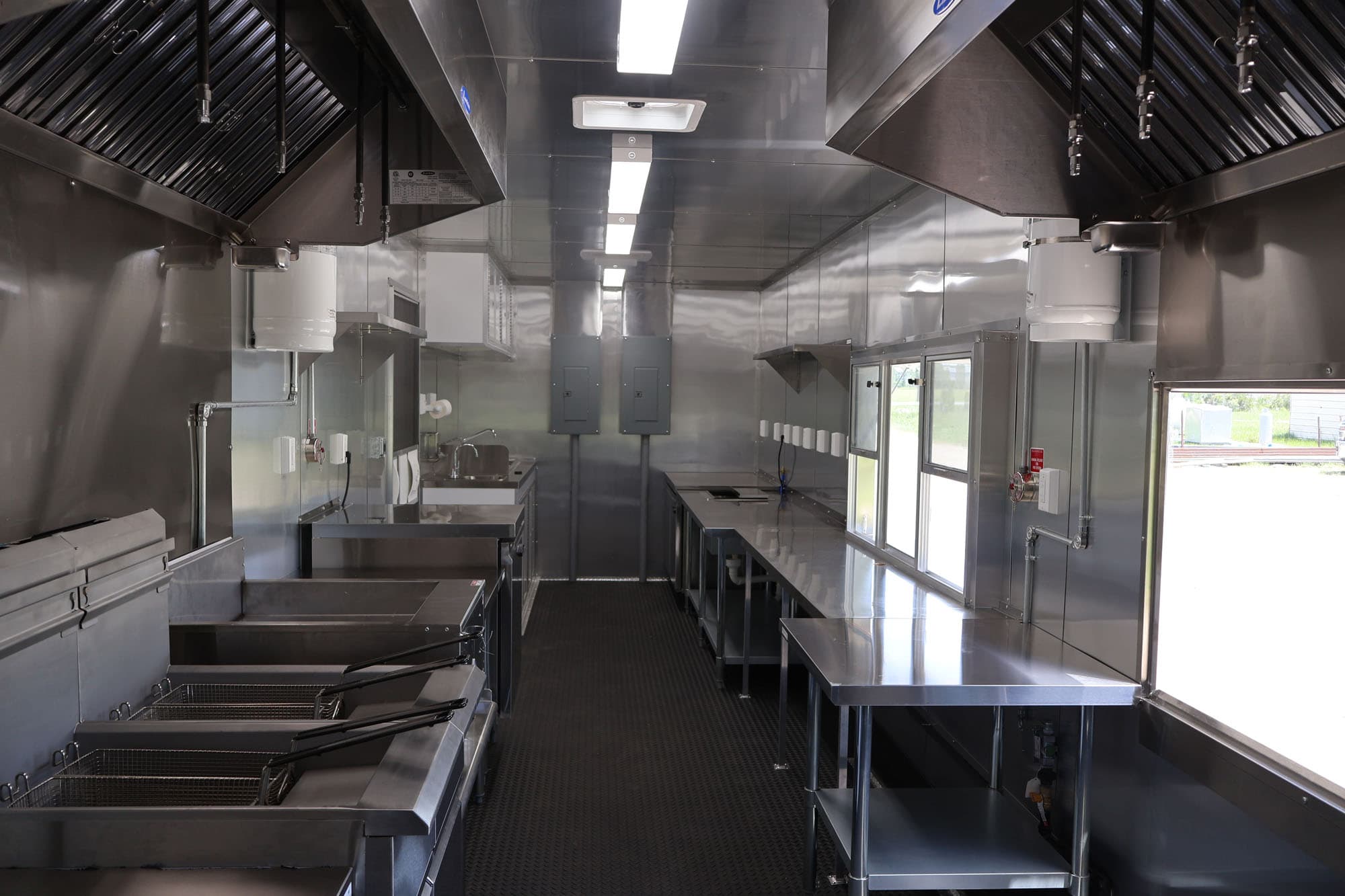
From planning estimate to designer review and production.
A guided process for serious food trailer buyers.
Process at a glance
Custom trailer projects involve a lot of decisions. This process gives those decisions a clearer order.
The best trailer plan starts with how the business will operate, not with a generic equipment list.
Build & Price helps turn the idea into a clearer starting point before design review.
A human review helps connect the trailer concept to layout, workflow, equipment, and systems.
Custom trailer decisions affect more than appearance. They affect movement, utility needs, daily use, and final scope.
Once the plan is confirmed, the build moves into fabrication, systems, equipment, and interior finish-out.
The final stage is about making the trailer understandable and ready for the customer's next step.
Step by step
Each stage is designed to make the next conversation clearer and the final build more intentional.
Step 01
The best trailer plan starts with how the business will operate, not with a generic equipment list.
Step 02
Build & Price helps turn the idea into a clearer starting point before design review.
Start Build & PriceStep 03
A human review helps connect the trailer concept to layout, workflow, equipment, and systems.
Step 04
Custom trailer decisions affect more than appearance. They affect movement, utility needs, daily use, and final scope.
Step 05
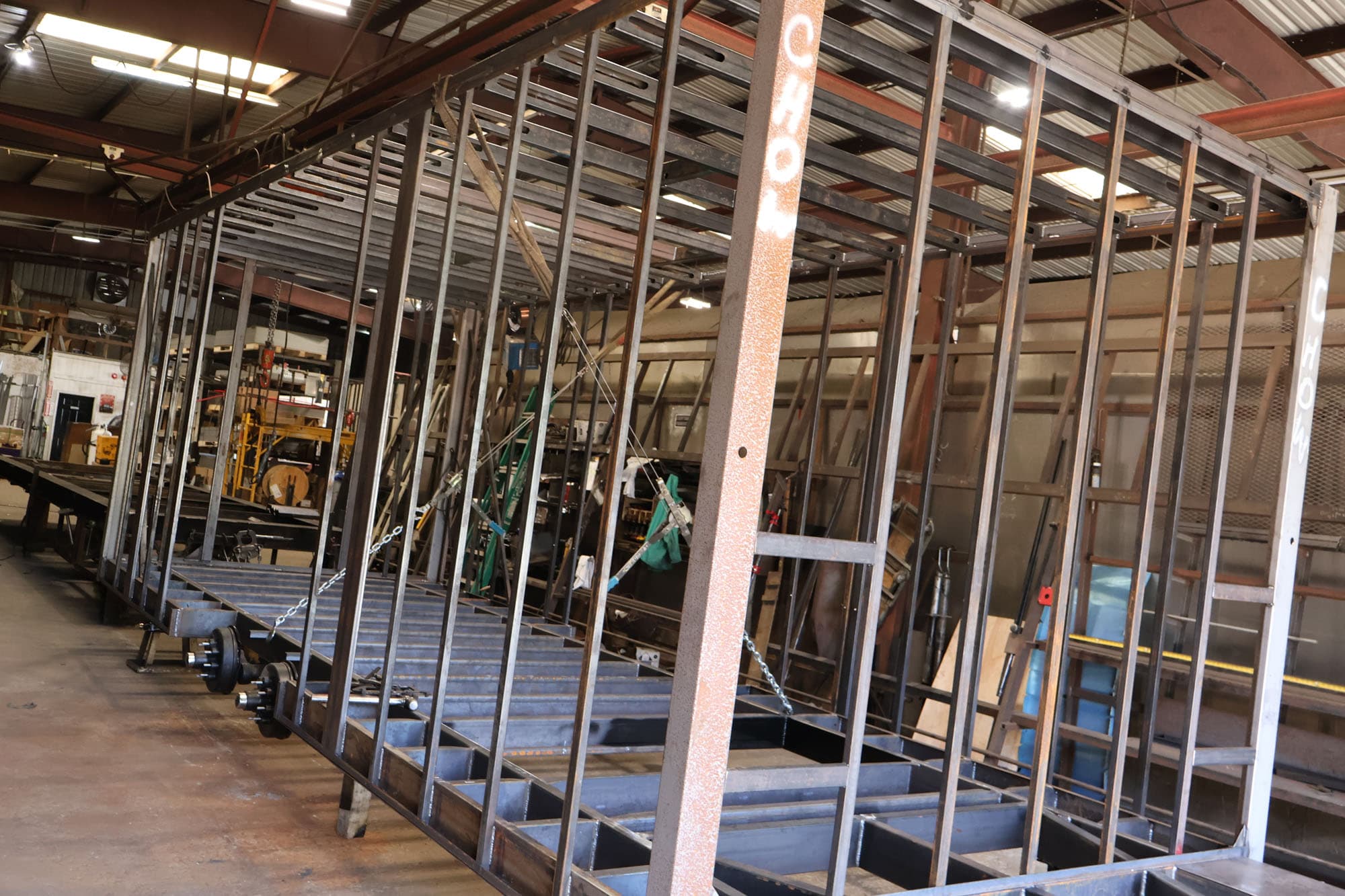
Once the plan is confirmed, the build moves into fabrication, systems, equipment, and interior finish-out.
Step 06
The final stage is about making the trailer understandable and ready for the customer's next step.
Systems review
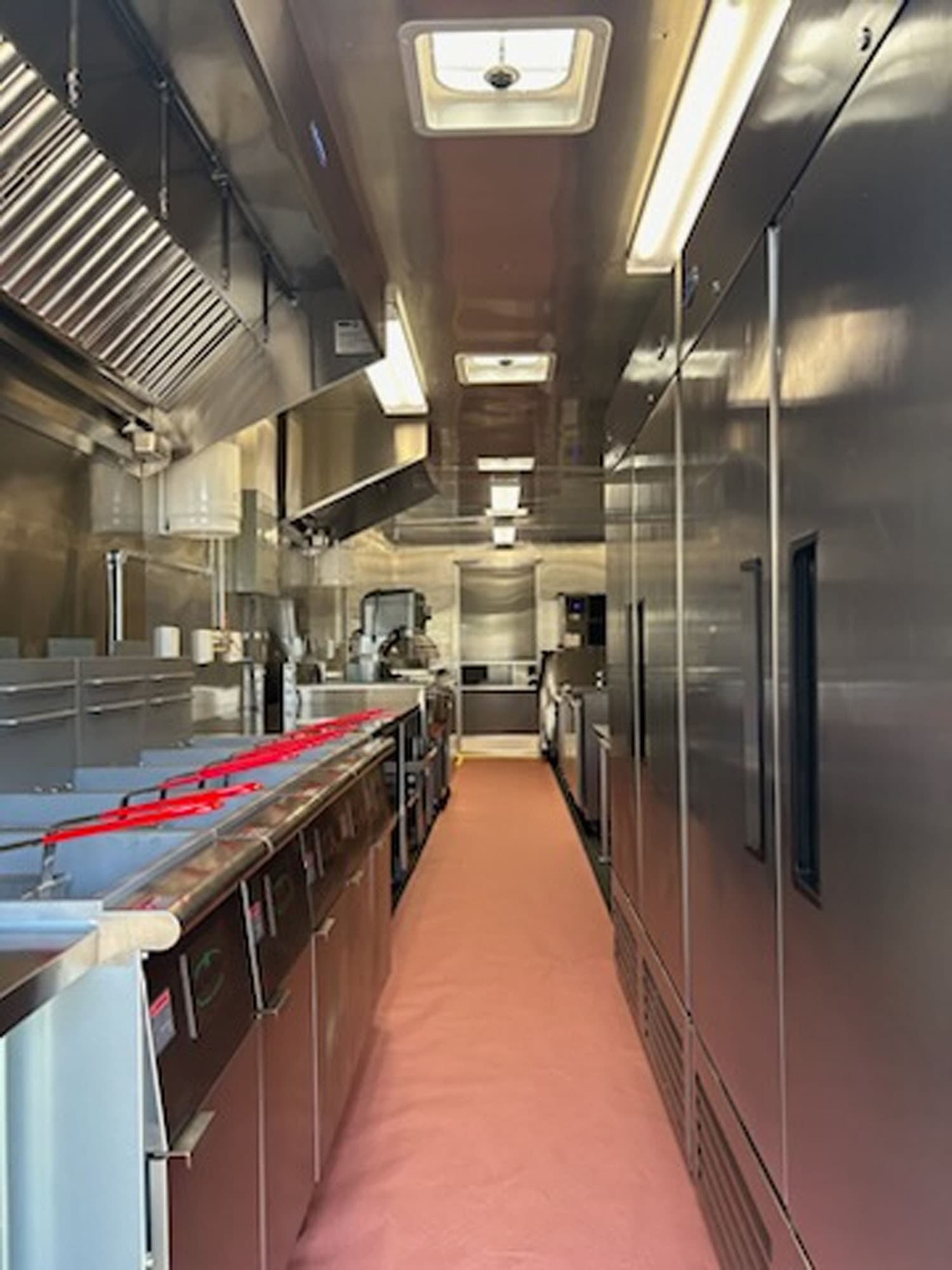
Cooking equipment, refrigeration, water, gas, power, ventilation, storage, and service windows do not exist in isolation. The process is designed to review how those pieces work together before final specifications are confirmed.
Requirements vary by location. Your local authority determines what is required, but reviewing likely system needs early helps avoid surprises.
Buyer preparation
You do not need every answer before reaching out. But the more context you can bring into the conversation, the easier it is to shape a trailer around your real business needs.
What you plan to cook, prep, serve, or store drives the trailer layout and equipment plan.
List the equipment you know you need, plus anything you are still unsure about.
Share a size if you have one in mind, or use Build & Price to explore a starting point.
Staffing affects aisle space, workflow, prep areas, and service efficiency.
City, state, event type, and operating environment can affect planning conversations.
Knowing your target timeline helps the team understand urgency, phasing, and next steps.
Photos, sketches, or notes can help communicate what you like or want to avoid.
If you already have health, fire, or local authority notes, bring them into the discussion early.
Decision points
Custom builds evolve through review. This helps show when different decisions usually become clear.
Expectation setting
Custom trailer builds involve layout review, equipment fit, code considerations, material availability, and confirmed specifications. Build & Price gives you a planning estimate and a stronger starting point for conversation. Final pricing is confirmed only after review.
Custom builds work best when key operating, layout, and systems questions are reviewed before the trailer moves deeper into production.
The process is built to give customers a clearer conversation with a real person, not just a generic form submission.
A trailer needs to work for the people inside it, the food being served, and the business depending on it.
Start the process
Use Build & Price to create a planning estimate, then send your build to a Worldwide designer for review.